
Before a business decision
Business partner due diligence and vendor verification examine profile consistency, business claims, public reputation, and relevant relationships before a contract decision.
Business risk should be mapped before it becomes a loss.
For companies, vendors, sensitive employees, or business partners, the investigation is aimed at conflict of interest, inconsistent information, fraud indicators, and decision risk in a measured way.
An internal corporate investigation begins with a specific business concern: inconsistent transactions, suspected conflicts of interest, vendor risk, or information leakage. Its purpose is to clarify facts rather than assume misconduct has been proved.
Business partner due diligence and vendor verification examine profile consistency, business claims, public reputation, and relevant relationships before a contract decision.
Fraud investigation starts with an allegation, a transaction period, relevant parties, and supporting records. Defined questions keep the review focused on the decision at hand.
A useful report separates chronology, document sources, inconsistencies, risk indicators, and unresolved questions so management can assess appropriate next steps.
Before sharing records, identify the authorized client contact, access permissions, review period, and report recipients. Provide only records you are entitled to share. For an overseas company, confirm the relevant Indonesian entity, city, reporting requirements, and communication arrangements. Investigation work does not automatically replace a financial audit or legal advice.
Before cost or field action is discussed, the case should be mapped through the verification goal, general city/area, short chronology, and safe initial evidence.
Share the situation, area, parties involved, and decision you need to make.
The team separates what can be verified from requests that must be declined.
Cost, duration, field risk, and report format are agreed before work starts.
Results are organized into facts, indicators, assumptions, limitations, and recommendations.
This page clarifies fraud investigation, partner due diligence, vendor verification, conflict-of-interest review, and early-stage asset tracing in a lawful manner.
Focus on transaction patterns, unusual relationships, repeated vendors, inconsistent documents, and internal parties with access to decisions or payments.
Focus on company profile consistency, cooperation history, public reputation, portfolio claims, relationship structures, and risk before contracts or payments.
Focus on asset indicators, business networks, operating addresses, vehicles, properties, and entity relationships from lawful sources and observation.

Corporate problems rarely appear without signals. Internal fraud, conflicts of interest, data leaks, and non-transparent partners often leave patterns. A corporate investigation organizes those indicators into a readable chronology for management decisions.
Choose the service based on the decision that must be made, not only on suspicion.
Possible embezzlement, mark-ups, ghost employees, manipulated reports, or abuse of authority.
Reviewing partners, vendors, senior candidates, or parties receiving sensitive business access.
Mapping possible data leaks, document misuse, or unusual asset movement.
The process keeps clients aware of what can be done, what must be avoided, and what the final output should look like.
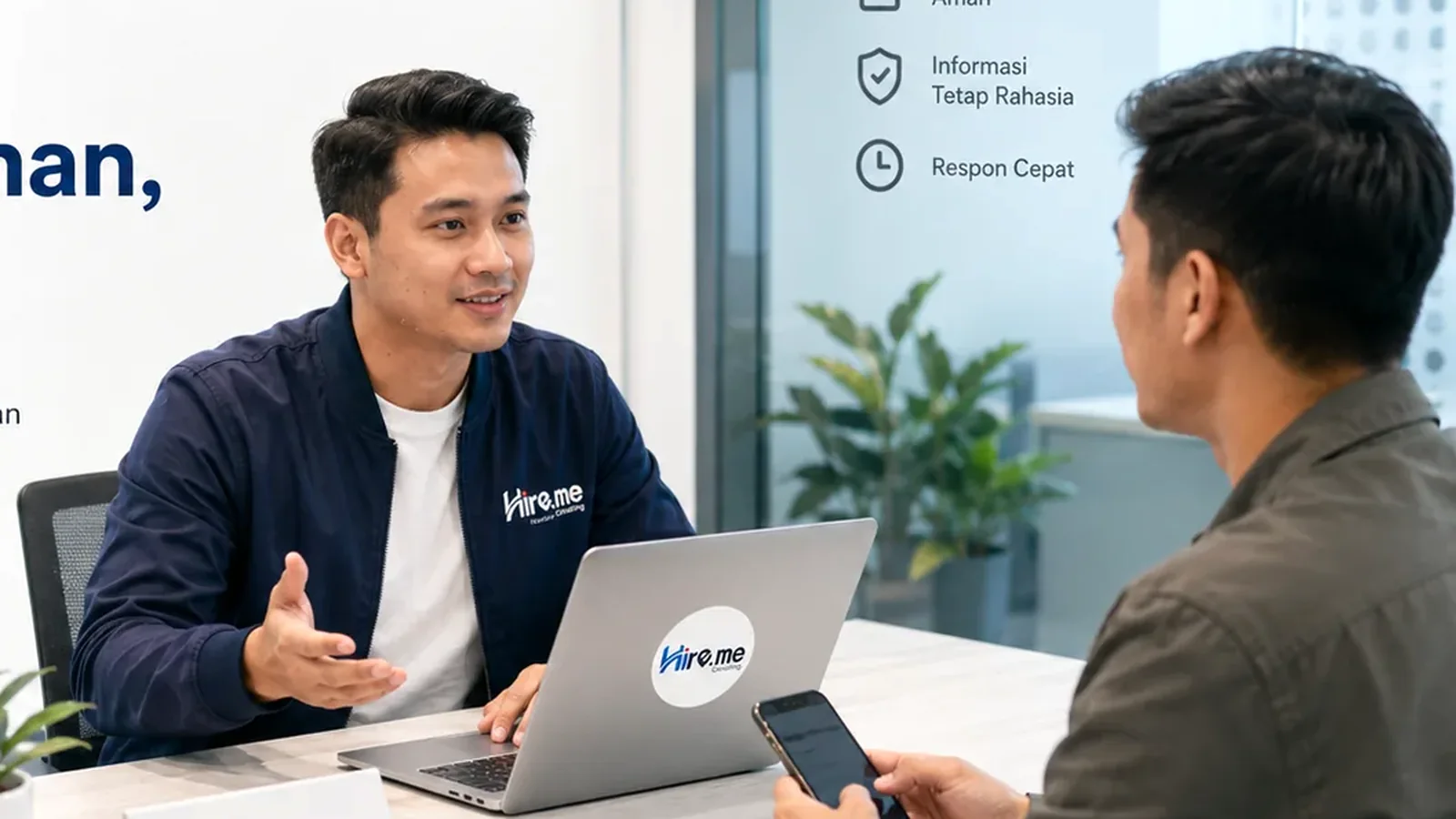
Known facts, city, verification goal, and communication boundaries are recorded clearly.

The team defines legal methods and rejects hacking, illegal wiretapping, coercion, or unauthorized access.
Open-source review, document checks, lawful field verification, and data analysis are performed as needed.

Findings are separated into confirmed facts, indicators, risks, and next-step recommendations.
Use these links to understand cost, workflow, and the service closest to your situation.
Read the related page to clarify scope before consultation.
Open page →Read the related page to clarify scope before consultation.
Open page →Read the related page to clarify scope before consultation.
Open page →The operating standard remains lawful, confidential, and evidence-led.
No hacking, illegal wiretapping, threats, or unauthorized account access.
Identity, chronology, and documents are restricted to relevant team members.
Findings are written in a structured way for practical decision-making.
Yes. The work can organize chronology, indicators, supporting evidence, and recommended next steps.
Communication, data access, and reporting are limited to the agreed case scope.
Yes. Review can focus on profile consistency, reputation, conflicts of interest, and cooperation risk.
A background check verifies profile information before or during a business relationship. A corporate investigation examines a particular concern or event, such as a conflict of interest, unusual transactions, or suspected fraud, within an agreed scope.
Provide a short issue summary, the relevant Indonesian entity and city, the period under review, and a general list of records you are authorized to share. Confirm the client contact, report recipients, and access permissions before transferring detailed records.
Read these guides to understand evidence preparation, legal boundaries, and secure consultation before sharing sensitive details.
Share a short case summary, city, and verification goal. The team will review the scope safely.
Companies usually need fact verification around fraud, vendors, employees, assets, conflicts of interest, due diligence, and business partner risk.
Internal and external fraud risk review.
Open service →Asset mapping and risk verification.
Open service →Review vendor risk before contract decisions.
Open service →