Workflow · Legal & structured

The investigation workflow should be clear from the start.

Before work begins, the case should pass through intake, risk mapping, lawful scope, work estimate, verification, and reporting. This structure helps clients understand what is done and what is declined.

  • Secure intakecase summary is collected in a limited way
  • Lawful scopemethods and boundaries are agreed first
  • Final reportfacts and indicators are organized clearly
Steps4 phases
OutputReport
LimitLawful
Secure first consultation

Start with a case summary, not sensitive data.

Before cost or field action is discussed, the case should be mapped through the verification goal, general city/area, short chronology, and safe initial evidence.

Privacy note: do not send passwords, OTPs, account access, full documents, or data that is not needed yet. A short summary is enough to assess lawful scope and work estimate.
  • Start with a general city/area and short chronology.
  • Illegal methods such as wiretapping, hacking, spyware, or intimidation are declined.
  • The output is designed as a structured, proportional, and readable report.
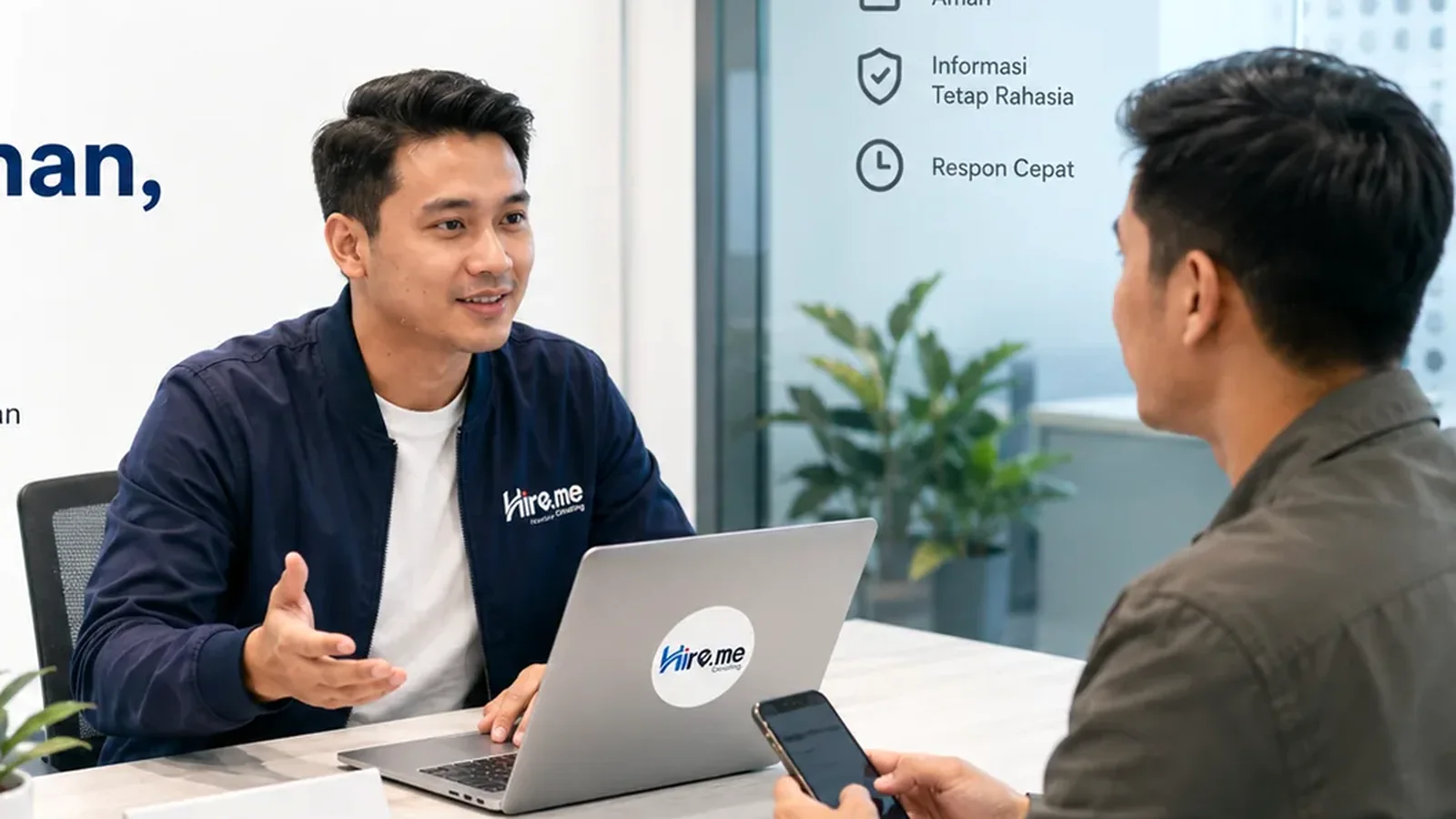
1

Send summary

Share the situation, area, parties involved, and decision you need to make.

2

Legal scope

The team separates what can be verified from requests that must be declined.

3

Clear estimate

Cost, duration, field risk, and report format are agreed before work starts.

4

Findings report

Results are organized into facts, indicators, assumptions, limitations, and recommendations.

Auditable workflow

An investigation workflow should tell clients what happens, where the limits are, and what the output will be.

This page now explains quality control beyond general steps: intake, lawful scope, evidence preservation, cross-checking, report review, and privacy boundaries.

Intake and triage

The team reviews goal, urgency, area, related parties, risk, and initial evidence to decide whether the work can be done lawfully and proportionately.

Verification and execution

Observation, OSINT, document review, or digital evidence review is performed within scope. Each finding is recorded with source and limitation.

Report review

Before delivery, the report is checked so facts, indicators, assumptions, opinions, and recommendations are not mixed together.

Risk control: if a new request becomes illegal or disproportionate during the work, the scope must be reassessed before continuing.
How Private Investigation Works Indonesia

A safer approach

A structured process protects clients from panic decisions. Before field work begins, the case must be translated into clear verification questions: what must be known, why it matters, and which methods are allowed.

Consult first
Scope is defined before cost and field action are discussed.
Lawful scope first
Risky methods are declined early to protect the client’s position.
Readable reporting
Findings are organized as facts, indicators, and limits, not dramatic claims.

When this service is needed

Choose the service based on the decision that must be made, not only on suspicion.

Case intake

Initial summary, city, relevant parties, available evidence, and decision goal are collected carefully.

Risk analysis

The team reviews legal limits, safety risk, conflict potential, and proportionate methods.

Reporting

Findings are organized as chronology, facts, indicators, limitations, and next-step recommendations.

What is verified proportionally

  • Initial consultation and chronology summary.
  • Main verification questions and method boundaries.
  • Verification plan: open-source review, documents, lawful observation, or digital analysis.
  • Execution according to the agreed scope.
  • A final report written clearly and without exaggeration.

Boundaries we do not cross

  • No work begins without understood scope.
  • No illegal method is used to accelerate results.
  • No conclusion is promised before verification.
  • Case data should not be kept longer than operational need.

A clear and reusable case workflow

The process keeps clients aware of what can be done, what must be avoided, and what the final output should look like.

Case intake
01

Case intake

Known facts, city, verification goal, and communication boundaries are recorded clearly.

Lawful scope
02

Lawful scope

The team defines legal methods and rejects hacking, illegal wiretapping, coercion, or unauthorized access.

Verification
03

Verification

Open-source review, document checks, lawful field verification, and data analysis are performed as needed.

Report
04

Report

Findings are separated into confirmed facts, indicators, risks, and next-step recommendations.

Related pages

Use these links to understand cost, workflow, and the service closest to your situation.

→

Cost Guide

Read the related page to clarify scope before consultation.

Open page →
→

Secure Contact

Read the related page to clarify scope before consultation.

Open page →
→

Legal Boundaries

Read the related page to clarify scope before consultation.

Open page →

Non-negotiable standards

The new brand is cleaner and more terstruktur, while the operating standard remains lawful, confidential, and evidence-led.

Lawful scope

No hacking, illegal wiretapping, threats, or unauthorized account access.

Client privacy

Identity, chronology, and documents are restricted to relevant team members.

Clear reporting

Findings are written in a structured way for practical decision-making.

Frequently asked questions

What is the first step?

The first step is a focused consultation to understand chronology, city, verification goal, and legal boundaries.

Are all cases accepted?

No. Cases involving hacking, illegal wiretapping, coercion, or harmful objectives are declined.

What does the final report look like?

It separates facts, indicators, assumptions, and limitations so the client can read it clearly.

Need clear verification before making a major decision?

Share a short case summary, city, and verification goal. The team will review the scope safely.

Client needs

A clear process protects the client and the case

The process starts with a limited consultation, lawful-interest review, risk screening, scope planning, evidence handling, and reporting. This helps avoid unsafe or illegal requests.

Terminology note: Different search terms are mapped to the same lawful process: scope review, risk screening, fact verification, and proportionate reporting. We do not provide hacking, spyware, illegal account access, or unlawful tracking.
→

Investigation Report

Understand reporting format and evidence notes.

Open guide →